Childhood Myopia Explained: Prevention, Care & Treatment

Diabetic Eye Problems: Warning Signs You Should Never Ignore
February 9, 2026
Can High Blood Sugar Cause Dry Eyes? The Diabetes–Dry Eye Link
February 20, 2026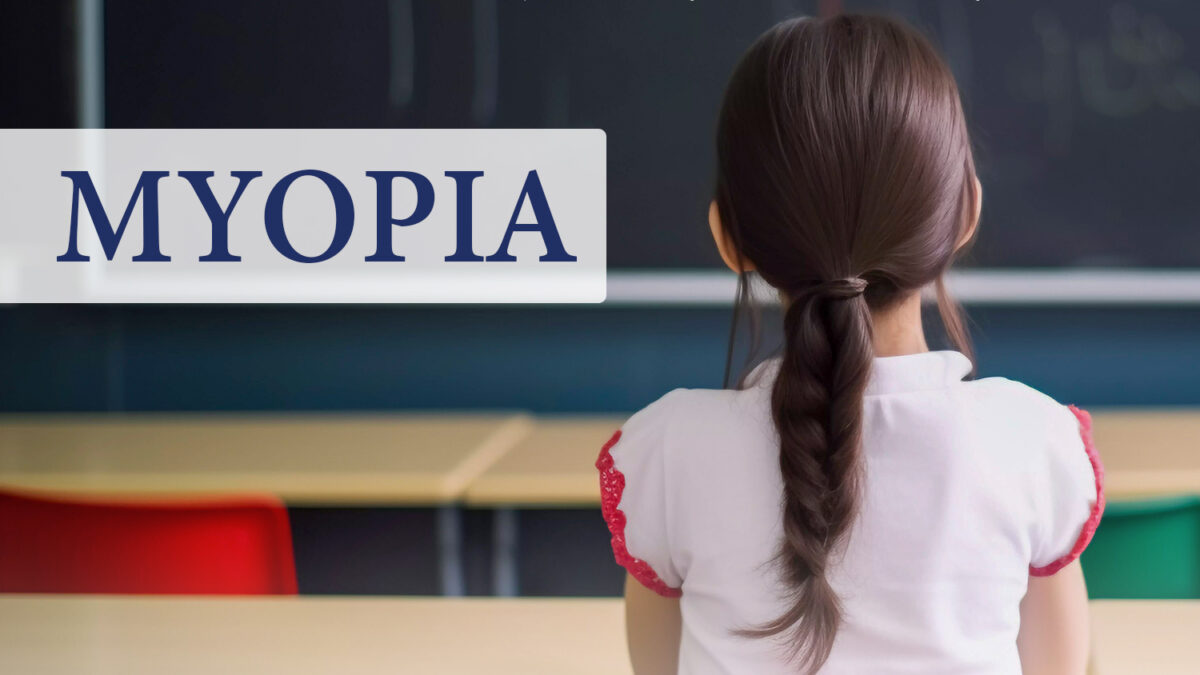
Childhood Myopia: Signs & Treatment | Gupte Eye Hospital
Childhood myopia (near-sightedness) is becoming increasingly common, especially with rising screen time and reduced outdoor activity. Myopia makes distant objects appear blurry — which can affect a child’s learning, confidence, and daily activities if left untreated. The good news is that early detection and proper care can slow progression and protect long-term vision.
What Is Childhood Myopia?
Myopia occurs when the eye grows slightly longer than normal or the cornea curves too much. This causes light to focus in front of the retina instead of directly on it — resulting in blurred distance vision.
Children often don’t realize their vision is poor, so parents and teachers play a key role in spotting early warning signs
Signs Your Child May Have Myopia
Watch for behaviors such as:- Squinting to see the board or distant objects
- Sitting very close to screens or books
- Frequent headaches
- Eye rubbing
- Complaints of blurry vision
- Reduced interest in classroom activities
Why Myopia in Children Is Increasing
Modern lifestyle habits contribute significantly:- Increased screen exposure
- Less outdoor play
- Prolonged near work
- Genetic factors
Studies show that outdoor time helps slow myopia progression, making balanced habits important.
Why Early Detection Matters
Untreated myopia can worsen over time and may increase the risk of serious eye problems later in life. Early management helps:
- Improve academic performance
- Reduce eye strain
- Reduce eye strain
- Support healthy visual development
Regular eye exams are critical — even if a child does not complain.
Treatment & Myopia Control Options
Treatment is not just about clearer vision — it’s about controlling progression.
Options may include:- Prescription glasses
- Specialized myopia control lenses
- Lifestyle guidance (screen breaks, outdoor time)
- Advanced monitoring
A specialist determines the most suitable plan based on your child’s age and eye condition.
Tips for Protecting Your Child’s Vision
Parents can support eye health by encouraging:- At least 1–2 hours of outdoor play daily
- Regular breaks during near work (20-20-20 rule)
- Proper reading distance
- Annual eye checkups
- Small habits make a big difference