Diabetic Eye Problems: Warning Signs You Should Never Ignore

Updates on the Diagnosis and Management of Glaucoma
February 2, 2026
Childhood Myopia Explained: Prevention, Care & Treatment
February 18, 2026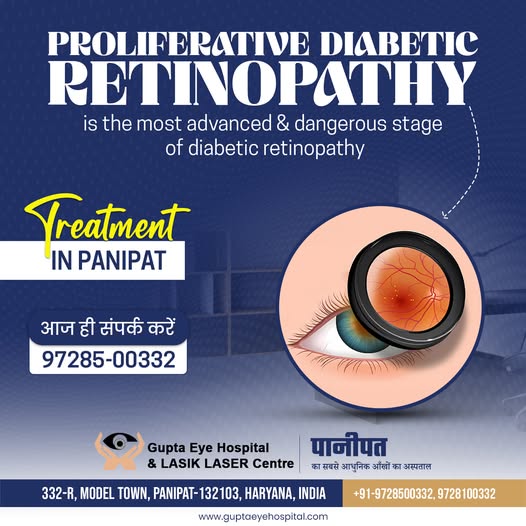
Diabetic Eye Problems: Warning Signs You Should Never Ignore
Diabetes does not only affect blood sugar — it can seriously impact your vision. Many diabetic eye problems develop quietly, often without pain, until vision is already threatened. Recognizing early warning signs and seeking timely care can prevent permanent damage. At Gupta Eye Hospital, specialized diabetic eye screening helps detect problems early and protect long-term sight.
How Diabetes Affects the Eyes
High blood sugar levels over time can damage delicate blood vessels throughout the body, including those in the eyes. When these vessels weaken, leak, or become blocked, the retina — responsible for clear vision — begins to suffer.
Diabetes can lead to several eye conditions, including:- Diabetic retinopathy – damage to retinal blood vessels
- Diabetic macular edema – swelling in the central retina
- Cataracts – clouding of the eye’s lens at an earlier age
- Cataracts – clouding of the eye’s lens at an earlier age
- Glaucoma – increased eye pressure damaging the optic nerve
Warning Signs You Should Never Ignore
Many diabetic eye problems show subtle symptoms at first. Seek medical attention if you notice:- Blurred or fluctuating vision
- Dark spots or floaters
- Difficulty reading or seeing fine details
- Poor night vision
- Colors appearing faded
- Sudden vision loss
Even mild symptoms deserve immediate evaluation — early care prevents complications.
Who Is at Higher Risk?
The likelihood of diabetic eye disease increases when:- Diabetes is poorly controlled
- The condition has existed for many years
- Blood pressure or cholesterol is high
- Smoking is present
- Regular eye exams are skipped
Diagnosis and Eye Screening
A comprehensive diabetic eye exam may include:- Dilated retinal examination
- Digital retinal imaging
- Eye pressure measurement
- Optical scans of the retina
Treatment Options
Modern eye care offers effective treatments to slow or stop disease progression:
- Blood Sugar Control: Stable glucose levels are the foundation of eye protection.
- Medicated Eye Injections: Help reduce swelling and abnormal vessel growth.
- Laser Therapy: Seals leaking blood vessels and prevents further damage.
- Surgical Care: Reserved for advanced cases to restore or stabilize vision.
Prevention: Protecting Your Vision
Prevention is always better than treatment. Key protective steps include:
- Annual comprehensive eye exams
- Strict blood sugar control
- Managing blood pressure and cholesterol
- Healthy diet and regular exercise
- Avoiding smoking
Consistent care preserves long-term eye health.